
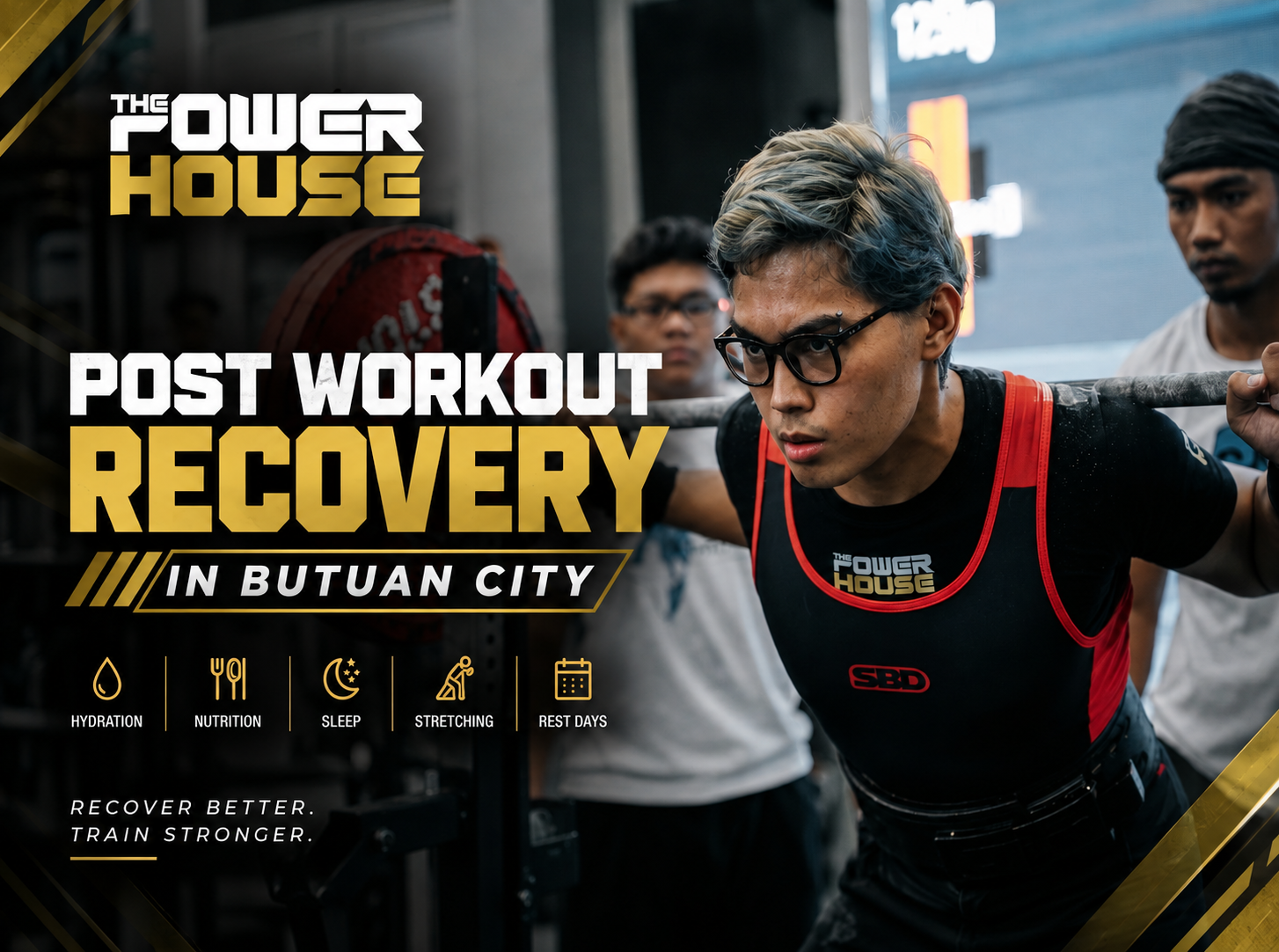
Post Workout Recovery: 7 Tips to Recover Faster
After a challenging workout, your body needs time to rest, repair, and prepare for your next training session. Following the right post workout recovery habits can help you manage fatigue, support muscle repair, and maintain a consistent fitness routine.
Whether you lift weights, perform cardio, or follow a full-body workout, recovery is an important part of your fitness journey. You do not need expensive equipment to get started. Consistent sleep, proper hydration, balanced meals, and suitable rest days are practical places to begin.
In this guide, The Power House BXU shares seven post workout recovery tips to help you build healthier exercise habits and work toward your fitness goals.
What Is Post Workout Recovery?
Post workout recovery is the process your body goes through after physical activity. During this time, your body restores energy, repairs tissues, and adapts to the demands of exercise.
Recovery involves more than taking a break after lifting weights. It also includes drinking enough fluids, eating nutritious food, sleeping well, and managing your workout intensity.
A balanced recovery routine can help you feel more prepared for your next workout. However, recovery time varies depending on your training intensity, fitness level, sleep, nutrition, and overall health.
7 Post Workout Recovery Tips
1. Drink Enough Water After Exercise
Hydration is one of the simplest ways to support post workout recovery. During exercise, you lose fluids through sweat, especially when you train intensely or exercise in hot weather.
Drink water regularly before, during, and after your workout. If you complete a long or particularly sweaty session, you may also need to replace lost electrolytes.
Do not wait until you feel extremely thirsty to think about hydration. Pay attention to your thirst, activity level, and the conditions in which you exercise.
Tip: Bring a reusable water bottle to the gym and drink regularly throughout your training session.
2. Eat Balanced Meals to Support Muscle Recovery
Your body needs nutrients to replenish energy and repair muscle tissue after exercise. A balanced meal containing protein, carbohydrates, and other essential nutrients can support this process.
Protein helps repair and maintain muscle tissue, while carbohydrates help replenish energy used during training.
Good food choices include:
•Eggs, fish, chicken, tofu, or beans for protein
•Rice, oats, potatoes, or whole-grain bread for carbohydrates
•Fruits and vegetables for vitamins, minerals, and fiber
•Nuts and seeds as part of a balanced diet
You do not need expensive supplements to recover from an ordinary workout. Start with regular, balanced meals that suit your nutritional needs and budget.
3. Get Enough Sleep Every Night
Sleep is an essential part of fitness recovery. While you sleep, your body carries out important processes that support tissue repair, energy regulation, and physical performance.
Insufficient sleep can leave you feeling tired and make it harder to maintain your usual workout routine.
To support better recovery, try these habits:
•Maintain a consistent sleep schedule.
•Create a quiet, comfortable sleeping environment.
•Reduce caffeine intake late in the day if it affects your sleep.
•Give yourself enough time to rest after demanding workouts.
Many adults benefit from at least seven hours of sleep per night, although individual needs vary.
4. Schedule Rest Days Between Hard Workouts
Rest days give your body time to recover from demanding exercise. Training hard every day without enough recovery can contribute to persistent fatigue and reduced performance.
Rest does not always mean avoiding all movement. Depending on how you feel, you can take a complete rest day or choose gentle activities such as walking.
Your ideal schedule depends on your fitness level and training plan. Beginners may benefit from alternating demanding sessions with easier days.
Tip: Avoid training the same muscle groups intensely on consecutive days if they have not adequately recovered. Adjust your plan based on soreness, fatigue, and performance.
5. Try Gentle Movement and Stretching
Light movement, such as easy walking or cycling, can be a comfortable way to cool down after a workout. Gentle stretching can also help maintain flexibility and range of motion.
Keep your movements controlled and avoid forcing a stretch beyond your comfortable range.
It is important to understand that stretching after exercise does not reliably prevent or significantly reduce delayed muscle soreness. Use stretching to work on flexibility and comfort rather than treating it as a guaranteed way to speed up muscle recovery.
6. Increase Workout Intensity Gradually
Pushing yourself too hard too soon can make recovery more difficult, particularly if you are new to exercise or returning after a long break.
Instead, increase your training demands gradually. Focus on proper technique, manageable weights, and a routine you can maintain.
For strength training, consider these practical guidelines:
•Learn the correct technique before increasing the weight.
•Stop a set when you can no longer maintain good form.
•Allow enough recovery between challenging sessions.
•Increase weights, repetitions, or training volume gradually.
•Adjust your routine when fatigue affects your performance.
Consistent training with adequate recovery is generally more sustainable than repeatedly pushing through exhaustion.
7. Pay Attention to Your Body’s Warning Signs
Some muscle soreness after an unfamiliar or demanding workout is normal. However, not every type of pain should be ignored.
Pay attention to signs that you may need more rest, such as unusual fatigue, worsening soreness, reduced performance, or difficulty completing your usual exercises.
Sharp pain, significant swelling, severe weakness, or dark urine after intense exercise can indicate a serious problem and require urgent medical assessment.
If pain persists or repeatedly returns, stop the activity that triggers it and seek advice from a qualified healthcare professional.
Listening to your body helps you make better decisions about when to train, when to rest, and when to seek help.
How Long Does Muscle Recovery Take?
There is no single recovery time that works for everyone. Some light workouts may require relatively little recovery, while demanding strength-training sessions can leave certain muscles sore for several days.
Your recovery time depends on several factors:
•Workout intensity: Harder sessions may require more recovery.
•Training experience: New exercises can cause more soreness than familiar movements.
•Nutrition and hydration: Adequate food and fluids support normal recovery.
•Sleep quality: Poor sleep can affect how ready you feel for your next session.
•Overall health: Stress, illness, and other factors can influence recovery.
Rather than following a rigid timetable, monitor how you feel and adjust your training accordingly. If soreness is severe or your performance remains unusually low, consider reducing your workload and seeking professional guidance if needed.
Common Post Workout Recovery Mistakes to Avoid
Even people who exercise regularly can develop habits that make recovery more difficult. Watch out for these common mistakes.
Skipping meals after demanding workouts. Consistently eating too little can make it harder to meet your energy and nutritional needs.
Ignoring hydration. Losing fluids during exercise without replacing them can contribute to dehydration.
Training intensely every day. Your body needs a balance of exercise and recovery.
Depending only on stretching. Stretching can support flexibility, but it cannot replace sleep, nutrition, and appropriate rest.
Ignoring persistent pain. Pushing through sharp or worsening pain can make an existing problem worse.
Building a sustainable routine means paying attention to what happens both inside and outside the gym.
Frequently Asked Questions About Post Workout Recovery
1. How long does post workout recovery take?
Post workout recovery can take a few hours to several days, depending on workout intensity, fitness level, sleep, and nutrition. After a challenging strength-training session, some muscles may remain sore for 24 to 72 hours. Allow enough recovery time before training the same muscles intensely again.
2. What should I do immediately after a workout?
After a workout, gradually reduce your activity, drink water, and eat a balanced meal when appropriate. Gentle movement can help you cool down, while adequate sleep and rest support recovery over the following hours and days.
3. What foods help with muscle recovery?
Protein-rich foods such as eggs, fish, chicken, tofu, and beans help repair and maintain muscle tissue. Carbohydrate-rich foods such as rice, oats, potatoes, and fruit help replenish energy. A balanced diet that provides enough calories and nutrients supports your overall fitness goals.
4. Is it okay to work out when my muscles are sore?
Light exercise may be comfortable when soreness is mild. However, avoid intense training that targets significantly sore muscles if it affects your movement or technique. Sharp pain, severe swelling, or unusual weakness should not be treated as normal soreness.
5. Does stretching after a workout speed up recovery?
Stretching can improve flexibility and help you work on your range of motion, but research does not show that post-workout stretching reliably prevents or substantially reduces muscle soreness. Combine stretching with adequate sleep, nutrition, hydration, and rest.
6. How many rest days do I need each week?
The number of rest days depends on your workout schedule, exercise intensity, and recovery needs. Beginners often benefit from starting with two or three nonconsecutive strength-training sessions per week, with rest or lighter activity between demanding sessions. Adjust your schedule as your fitness improves.
7. Does sleep help muscles recover after exercise?
Yes. Sleep supports tissue repair, energy regulation, and physical recovery. Many adults need at least seven hours of sleep per night, although individual needs vary. Maintaining a consistent sleep schedule can help support your training routine.
8. Can I speed up post workout recovery?
You can support normal recovery by drinking enough fluids, eating balanced meals, getting sufficient sleep, managing training intensity, and allowing adequate rest between hard workouts. Recovery takes time, so avoid relying on quick fixes or pushing through persistent pain.
Build a Better Recovery Routine at The Power House BXU
Your fitness journey does not end when your workout is over. Good post workout recovery habits can help you maintain a consistent schedule, prepare for future sessions, and work toward your long-term goals.
Start with the basics: drink enough water, eat balanced meals, sleep well, schedule rest days, and increase workout intensity gradually. You can improve your routine over time as you learn what works best for your body.
At The Power House BXU, make recovery part of your approach to training. Pair consistent exercise with healthy everyday habits to support a more balanced fitness journey.
Ready to improve your fitness routine? Explore the gym membership information page to learn more about your gym options.